
New Year, New You: Thriving Through Midlife Hormonal Shifts

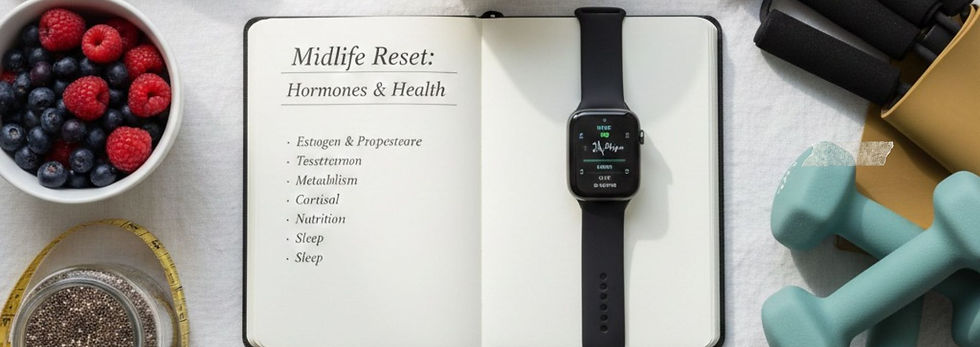
The new year often brings a surge of energy and a desire for fresh starts. We set resolutions, envision healthier habits, and look forward to a renewed sense of self. But for many navigating midlife, there's a nagging feeling that this year's "new you" might be a bit more challenging to achieve than in years past. If you're finding that the strategies that once worked for your body, mood, and energy just aren't cutting it anymore, you're not alone. Welcome to the fascinating, sometimes frustrating, world of midlife hormonal shifts.
The Great Hormone Shift: Estrogen, Progesterone, Testosterone in Midlife
Midlife, particularly for women, is a time of significant hormonal flux. And despite all the focus on estrogen, it's not just about estrogen declining as we approach menopause. How we feel and the symptoms that present are related to a complex interplay of several key hormones:
Estrogen: While often associated with female fertility, estrogen plays a vital role in mood, bone health, cardiovascular function, and even brain health. Its fluctuations and eventual decline can contribute to hot flashes, night sweats, and changes in cognitive function.
Progesterone: This hormone, often overlooked, is crucial for calming the nervous system and promoting restful sleep. In perimenopause, progesterone levels can become erratic and often decline before estrogen, leading to anxiety, insomnia, and heavier periods.
Testosterone: Yes, women have testosterone too! And before perimenopause, FIVE times more testosterone than estrogen. It's essential for libido, muscle mass, cognitive function, bone density, and energy levels. As we age, testosterone loss can contribute to fatigue, reduced sex drive, and difficulty building muscle.
During perimenopause, estrogen levels fluctuate almost daily, progesterone levels swiftly fall off the cliff and testosterone gradually declines. These changes affect fat distribution, metabolism, and overall vitality. These shifts don't happen in isolation; they create a ripple effect throughout the entire body, making midlife feel like your second puberty.
Hormones + Metabolism: Why Weight Loss Feels Harder
One of the most common frustrations in midlife is the weight gain and shape shifting. And yes, even when we do all the things and don’t stop doing the “good-for-you” things, we cannot combat those extra pounds. This isn't just about willpower; it's deeply rooted in hormonal changes
As estrogen declines, our bodies tend to shift fat storage from the hips and thighs to the abdominal area, often referred to as "meno-belly." Lower testosterone makes it harder to maintain muscle mass, which is a key driver of metabolism. Less muscle means a slower metabolism, making it easier to gain weight and harder to lose it. Progesterone fluctuations can also impact satiety signals, leading to increased cravings. This is why perimenopause metabolism often behaves differently and weight that was once easily shed now tends to accumulate. And on top of all this, hormonal changes lead to changes in gut health with a decrease in healthy bacteria essential to making glucagon-like proteins.
The good news? Understanding these connections empowers us to adopt strategies that work with our bodies, not against them. And no, using a GLP-1 is not cheating.
Mood, Sleep, and Cravings: The Cortisol Connection
Beyond the sex hormones, another critical player in midlife well-being is cortisol, our primary stress hormone. Cortisol, the stress hormone, often increases in midlife due to hormonal changes and life pressures. Chronic stress, common in busy midlife, keeps cortisol levels elevated. This can wreak havoc on sleep, amplify anxiety, and even drive cravings for sugary and fatty foods.
High cortisol can also interfere with the production of other hormones and exacerbate the effects of estrogen and progesterone imbalances. If you're feeling perpetually "on edge," struggling to sleep through the night, or constantly battling sugar cravings, it's time to investigate your stress response. Addressing stress is crucial for an effective hormone reset.
Nutrition Reset: Protein, Fiber, and Balanced Blood Sugar
A diet that promotes New Year’s health emphasizes maintaining stable blood sugar levels and hormone balance. This is achieved through several key components:
Prioritize Protein: Aim for 25-30 grams of protein at each meal. If you hit your target at breakfast, you set your day up for success. Protein helps maintain muscle mass, promotes satiety, and stabilizes blood sugar. Think lean meats, poultry, fish, eggs, legumes, and use protein powders or pre-made drinks to hit your target.
Embrace Fiber: You need at least 30 grams of fiber daily. And you will not hit that goal eating one salad per day! Fiber-rich foods like fruits, vegetables, and whole grains (Fiber One Cereal and Sola Bagels are easy) support gut health, aid in hormone detoxification, and help regulate blood sugar.
Balanced Meals: Avoid drastic blood sugar spikes and crashes by combining carbohydrates with protein and healthy fats. This minimizes cortisol surges and helps manage cravings. Reduce refined sugars and processed foods.
Healthy Fats: Include avocados, nuts, seeds, and olive oil to support hormone production and provide sustained energy. You need to include this in every meal but be mindful of nuts as they hide a lot of calories (1/4 cup max daily).
Lifestyle Reset: Strength Training, Stress Management, Sleep Hygiene
Nutrition alone isn’t sufficient. Lifestyle habits that optimize midlife hormones include:
Strength training: This is non-negotiable! Building and maintaining muscle mass is vital for boosting metabolism, improving bone density, and supporting hormone balance. Aim for 2-3 sessions per week.
Stress management: Find what works for you: meditation, yoga, deep breathing exercises, spending time in nature, or creative hobbies. Prioritizing stress reduction directly impacts cortisol levels and overall well-being.
Sleep hygiene: Prioritize consistent sleep schedules and a calming bedtime routine to enhance energy and mood. Aim for 7-9 hours of quality sleep. Optimize your bedroom for darkness, quiet, and a cool temperature. Limit screen time before bed. Midlife women need to be in bed before 1100pm.


Comments